Eco-Friendly Approaches: How E-Waste Recycling Services Are Preserving Our Planet
E-waste poses significant threats to the environment, as discarded electronics often contain toxic materials. Such dangerous compounds can pollute soil and water supplies, resulting in widespread environmental harm. E-waste recycling services present a viable solution. They not only recover valuable resources but also mitigate pollution. Understanding how these services operate and their impact on communities is essential. The path to successful electronic waste management prompts vital discussions about personal accountability and communal efforts. What measures can be pursued from this point onward?
Why E-Waste Is Bad for the Planet
Even though technological advancements improve our daily lives, electronic waste presents serious threats to the environment. Abandoned electronic gadgets, commonly laden with hazardous materials such as cadmium, lead, and mercury, are capable of seeping pollutants into the surrounding soil and water supply, posing risks to both wildlife and human well-being. The rapid pace of technological advancement leads to increased consumer turnover of electronics, intensifying the growing problem of e-waste.
Landfills, already burdened with waste, struggle to accommodate the growing volumes of discarded gadgets. Incineration, another disposal method, releases harmful pollutants into the atmosphere, contributing to air quality degradation. Moreover, poor recycling procedures can cause e-waste to be sent to developing regions, where employees may disassemble electronics without sufficient safety precautions, leaving them vulnerable to harmful substances. This pattern of negligence and mismanagement highlights the critical demand for eco-friendly recycling alternatives that can reduce the damaging impact of electronic waste on the environment.
What Is E-Waste and Why Does It Matter?
Electronic waste, commonly known as e-waste, encompasses discarded electronic devices like televisions, computers, and smartphones that are no longer functional or needed. This growing category of waste is significant because of its swift buildup, driven by technological advancements and consumer trends. As growing numbers of electronics become outdated, the environmental impact intensifies, with toxic materials such as lead, mercury, and cadmium posing risks to ecosystems and human health.
The significance of tackling e-waste extends beyond minimizing these risks to recognizing the valuable resources it holds. Precious metals and rare earth elements can be recovered and reused, reducing the need for mining and conserving natural resources. By understanding e-waste and its implications, individuals and organizations can make informed decisions about disposal and recycling, ultimately contributing to a more sustainable future. Proper management of e-waste is essential for fostering a circular economy and promoting environmental stewardship.
How the E-Waste Recycling Process Works
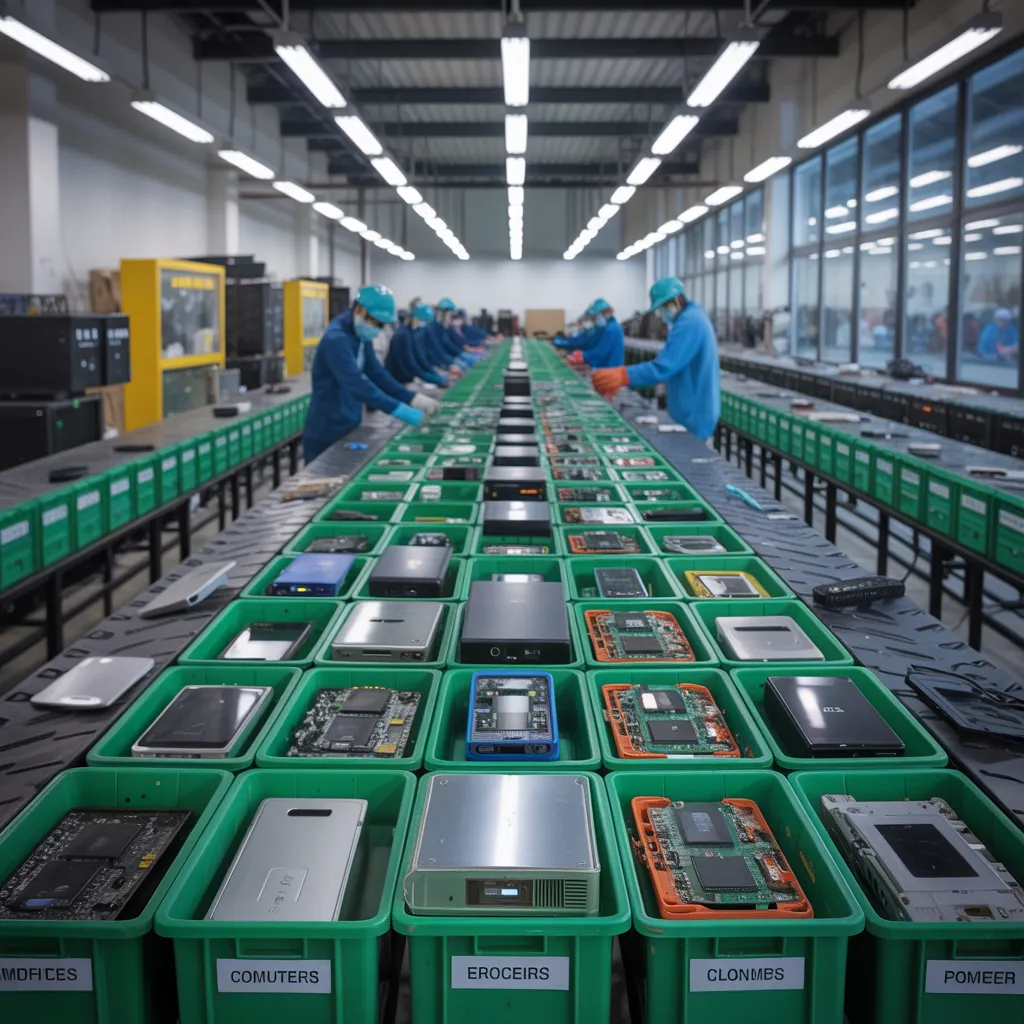
E-waste recycling entails an organized procedure designed to recover valuable materials while limiting ecological damage. To begin, electronic waste is gathered and delivered to specialized recycling facilities. Upon arrival, the devices undergo thorough sorting to separate hazardous components from recyclable materials.
Following this, specialists break down the products, separating plastics, metals, and glass. This stage is crucial, as it facilitates the extraction of precious metals like gold, silver, and copper, which may be utilized in new electronics.
Next, the isolated materials are treated through cutting-edge techniques, such as shredding and specialized chemical treatments, to purify them for further use.
Ultimately, the residual hazardous waste is handled with responsibility, following eco-friendly standards. This multi-step approach not only conserves resources but also mitigates the risks linked to improper e-waste disposal, guaranteeing a greener future for the consumption of electronics.
The Benefits of E-Waste Recycling for You and Your Community
Although it often goes unnoticed, the benefits of e-waste recycling go far beyond individual benefit and actively shape entire communities. By properly recycling electronic waste, individuals help foster a cleaner environment, reducing hazardous materials that can seep into soil and water. This responsible method works to protect local ecosystems and advances public health.
Moreover, the recycling of e-waste encourages job creation within communities. Regional recycling centers frequently need staff for numerous tasks, from collection to processing, thereby providing employment opportunities for local residents. This not only enhances the community economy but also encourages community engagement in sustainable practices.
Additionally, awareness of e-waste recycling can lead to community outreach programs, enabling residents to pursue greener alternatives. By participating in e-waste recycling programs, individuals nurture a culture of sustainability, encouraging others to follow suit. Ultimately, the cumulative impact of these actions can create a more sustainable and conscientious community.
How to Pick an E-Waste Recycling Service
Picking the most suitable e-waste disposal service is essential for ensuring that electronic refuse is processed responsibly and sustainably. Initially, individuals should confirm the service's certifications, such as R2 or e-Stewards, which demonstrate conformance to professional guidelines for responsible recycling methods. Additionally, it is advisable to evaluate the organization's reputation by reading customer reviews and seeking advice from dependable sources.
Furthermore, transparency in the recycling process is vital. A See more reliable provider should supply straightforward details about how e-waste is processed and how the materials are utilized. Additionally, assessing the variety of services available can be advantageous; certain providers may offer collection services or present rewards for recycling.
Furthermore, learning about local guidelines related to e-waste disposal can help inform the decision-making process. When these considerations are given priority, consumers can play a role in responsible e-waste disposal as well as promoting eco-friendly habits.
Ways You Can Participate in E-Waste Recycling?
Engaging in e-waste recycling may begin at the local level, where community recycling hubs often provide essential services for proper disposal. Moreover, joining community awareness campaigns can amplify efforts to raise awareness about the importance of responsible e-waste management. Such efforts not only advance environmental sustainability but also build a collective sense of responsibility toward the environment.
Regional Recycling Centers
Several local recycling centers play an essential role in recycling electronic waste, supplying communities with reliable ways to handle electronic waste in a responsible manner. These centers accept a variety of electronic devices, including outdated computers, mobile phones, and TVs, ensuring that harmful materials are handled safely. The majority of facilities employ qualified professionals who help individuals navigate appropriate disposal procedures, underscoring the benefits of recycling compared to landfilling. In addition, various hubs coordinate scheduled drop-off occasions or specific collection dates, making it easy for residents to participate. Through the use of these community services, community members advance a circular economy, minimizing ecological impact and fostering sustainable behaviors. Working alongside these hubs allows communities to address e-waste pollution proactively.
Community Awareness Campaigns
Nearby organizations, schools, and enterprises can collaborate to host events that promote e-waste collection drives. Dedicated participants can take a leading part in promoting knowledge, handing out educational content, and interacting with the surrounding community. Through these collective efforts, residents become more informed and motivated to recycle their electronic waste, ultimately contributing to a more sustainable future.
Questions We Often Receive
What Electronic Devices Are Eligible for Recycling?
A wide range of electronics may be recycled, including smartphones, computers, laptops, televisions, printers, and gaming consoles. Additionally, ancillary devices such as mice, keyboards, and batteries are equally appropriate for recycling, aiding in environmental conservation efforts.
Do Any Costs Come With E-Waste Recycling?
Yes, e-waste recycling may involve charges, based on the provider. Some facilities charge fees for pickup or handling, while some providers offer free services, typically funded by the sale of reclaimed components.
How Do Businesses Gain From E-Waste Recycling?
Companies can take advantage of e-waste recycling by lowering disposal expenses, enhancing their environmental image, meeting compliance standards, reclaiming useful materials, and potentially generating revenue through resale, thereby fostering a more environmentally responsible business approach.
What Happens to Data on Recycled Devices?
Details from refurbished devices is frequently permanently erased or obliterated during processing. This confirms private details remains secure, stopping improper access while permitting components to be reused safely and responsibly within new applications.
Are Broken Electronics Eligible for Recycling?
Absolutely, damaged electronics may be recycled. Numerous recycling centers receive non-functioning devices, guaranteeing proper disposal and extraction of precious materials. It helps minimize harm to the environment while encouraging eco-friendly recycling methods to handle e-waste responsibly.